S&P Global chief: India’s post-Covid expansion among most consistent for any major economy
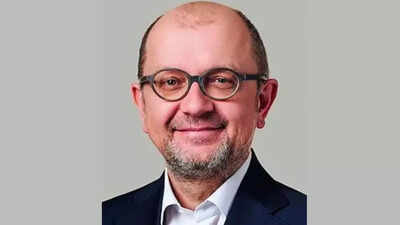
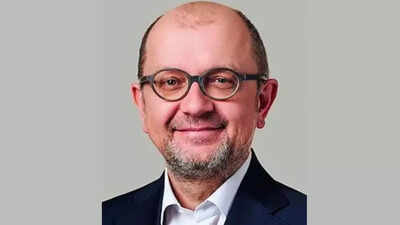 “In our latest report, we explored how India is navigating a new global reality and what we found was a story of resilience, but also one of ambition which is at the core of Viksit Bharat 2047,” Le Pallec said, while highlighting India’s sustained commitment to fiscal discipline, targeted public investments and credible policy frameworks that have enhanced confidence in the country`s long term growth trajectory.Pointing to the link between trust, transparency, confidence and capital flows in a rapidly changing world economy, he said that few economies understand better than India that the “price of trust is truly the price of growth” and when trust breaks down, the cost of capital becomes a tax on progress.
Referring to the growing depth of India’s domestic bond market and rising foreign participation, Le Pallec said inclusion of Indian govt bonds in global indices can significantly increase overseas investment and expand funding opportunities for domestic companies over coming years.
Such developments, he said, strengthen the country’s financial ecosystem and support long-term growth.“This evolving distribution of trust aligns with the broader structural shift in the global economy.
The centre of the global economy continues to move east.
Emerging markets are expected to represent two-thirds of global growth this year, a trend which is supported by domestic policy predictability at a time when global uncertainty is rising,” he said.
Le Pallec stressed that trust has always been at the heart of financial systems as credit ratings were created to help investors assess risk in emerging industries.
Over time, standardised ratings became an important benchmark for global investors, enabling informed decisions and greater transparency during periods of uncertainty, including major economic downturns.According to Le Pallec, the role of credit ratings has remained largely unchanged in principle, providing independent assessments of risk, but the environment around them has transformed dramatically as global markets today face rising geopolitical uncertainties, shifting trade rules and changing policy dynamics, all of which influence the way trust is formed and maintained.He said that the global order built on predictable trade and policy frameworks is undergoing structural change.
As trust weakens in certain relationships, countries and investors are increasingly focusing on diversification.
This includes reducing exposure to concentrated risks, seeking new partnerships and strengthening domestic financial systems.
While these adjustments may increase costs in the short term, he suggested they can also provide long-term resilience.