India–New Zealand should push to double bilateral trade in five years; focus on tariff cuts, sectoral ties: GTRI report
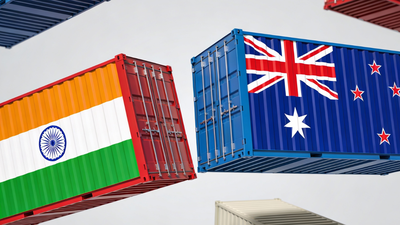
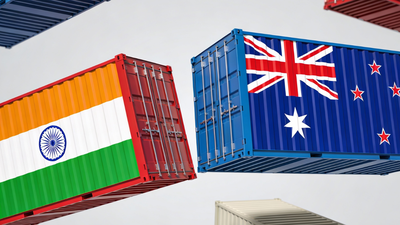 Bilateral trade between the two countries stands at $1.3 billion for FY25.
GTRI Founder Ajay Srivastava said, “Both countries could set a target to double two-way trade within five years through early tariff relief on select products, business delegations and sectoral cooperation in agriculture, forestry, fintech and education.”The renewed talks this year after stalling in 2015, will focus on reducing tariffs on goods and improving service access.
The deal is expected to eliminate or significantly cut duties on industrial products, textiles, engineering goods, and some agricultural items.
However, sensitive farm products will remain protected.New Zealand’s average import tariff is low, being 2.3 per cent as compared to India’s 17.8 per cent.India’s exports to New Zealand is quite diverse, with aviation turbine fuel leading at $110.8 million, followed by textiles and pharmaceuticals.
Other important export goods are machinery, petroleum products, autos, and food products such as basmati rice and shrimps.Meanwhile, The main exports of New Zealand to India are raw materials and agricultural products.
Wood, metal scraps, and agricultural products form their major exports.The dairy sector remains a sensitive issue, with India firm on protecting its millions of small dairy farmers.
As of now, dairy trade is minimal, with New Zealand’s exports to India totaling just $1.07 million in FY25.Trading of services forms an important part of this equation.
India’s services exports during FY24 were worth $214.1 million, mainly in the IT, software, and healthcare segments.
The services exports of New Zealand to India were $456.5 million, with the major contributors being the educational, tourist, and specialized aviation training segments.Both nations will greatly benefit from the above partnership.
For India, it will be the gateway to the pacific high-income market.
On the other hand, New Zealand will benefit from gaining access to one of the world’s fastest-growing economies amid uncertain global trading circumstances.