India-Oman CEPA rollout: Trade pact may take effect in three month; Piyush Goyal flags faster execution

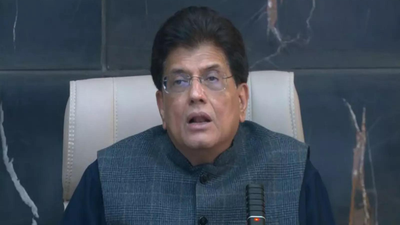 The India–Oman free trade agreement was signed on December 18.
Under the CEPA, Oman has offered zero-duty access on more than 98 per cent of its tariff lines, covering 99.38 per cent of India’s exports to the Gulf country.
At present, these products attract import duties ranging from 5 per cent to as high as 100 per cent.
“All major labour-intensive sectors will get nil duty,” Goyal said, listing gems and jewellery, textiles, leather, footwear, sports goods, plastics, furniture, agricultural products, engineering goods, pharmaceuticals, medical devices and automobiles as key beneficiaries.On the Indian side, New Delhi has offered tariff concessions on 77.79 per cent of its total tariff lines, or 12,556 product categories, which together account for 94.81 per cent of India’s imports from Oman by value.“The Oman minister and I have discussed that this agreement, we will try to operationalise within three months,” Goyal told reporters, contrasting the timeline with Oman’s earlier trade deal with the US, which was finalised in 2006 but implemented only in 2009.Highlighting investment opportunities, Goyal said sectors such as steel, energy, education and healthcare held strong potential for Indian companies in Oman, particularly resource-linked industries.
He pointed to a large green steel project in the pipeline and growing interest in converting energy into green hydrogen or green ammonia for exports.“There is a lot of interest because they have large land banks,” he said, adding that opportunities also exist in marble processing, battery manufacturing, education and healthcare.Goyal said Omani businesses were keen to partner with Indian firms, citing interest from an Omani dairy company in forming a joint venture with Amul.
He added that Oman’s sovereign wealth fund and companies had been invited to explore investments in India.