Lowering debt load: Borrowings of NHAI to fall below 2L cr by March

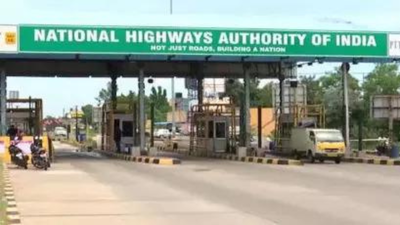 The Centre is directly taking over funding for highway projects, instead of getting NHAI to borrow.
This is the primary reason for the reduced pile of debt as no borrowings have taken place since 2022-23, when there were concerns over the highways authority going “bankrupt”.Budgetary support has increased from Rs 45,945 crore in 2020-21 to around Rs 2.1 lakh crore in the current financial year.
Besides, monetisation of operational roads helped NHAI repay and pre-pay around Rs 1.3 lakh crore over the last five years, according to data accessed by TOI.
This year, the monetisation programme is expected to generate around Rs 30,000 crore.Officials said the trend of reducing the debt burden will continue and the highways authority is looking to repay and pre-pay a substantial share of the current borrowing in the next four-to-five years.Official data shows that NHAI made the highest repayment of Rs 23,330 crore as principal in 2021-22 and in one shot repaid Rs 86,000 crore during the last financial year.
Of this, Rs 50,000 crore were loans taken from the National Small Savings Fund (NSSF).“We are talking to institutional lenders for further prepayment of loans.
We are hopeful of bringing down the debt liability below Rs 2 lakh crore during the current fiscal year,” an official said.People aware of the developments said that with NHAI’s spending on projects falling due to less award of projects, the agency can prepay loans in the range of Rs 40,000-Rs 50,000 crore by March.Officials said negotiations with banks have helped NHAI to reduce its interest burden by lowering the cost of debt by about 80 basis points (100 basis points is equal to a percentage point) over the last two years, resulting in savings of over Rs 3,500 crore.