US Fed set to keep rates steady as officials defend independence
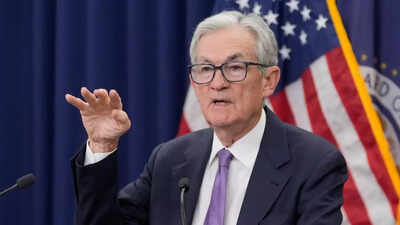
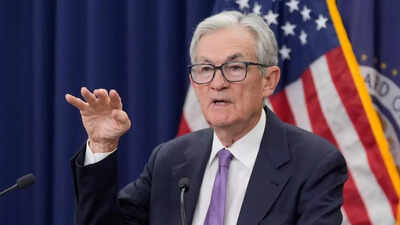 The central bank has cut rates three consecutive times since September as the jobs market weakened, bringing them to a range between 3.50 percent and 3.75 percent.But Fed Chair Jerome Powell has signaled the bar would be higher for a further reduction in January.
They meet on Tuesday and Wednesday.“The fact that growth is strong, unemployment is low, equity markets are close to all-time highs and inflation is above target all argue for a pause,” said analysts at ING bank.Powell’s robust defense of Fed independence in response to ongoing pressure from Trump to lower rates confirms this, ING added.On January 11, Powell released a rare, solemn statement revealing that the Department of Justice was investigating him over a $2.5 billion renovation of the bank’s headquarters.He slammed the threat of criminal charges as the result of policymakers setting rates in the public’s best interests — rather than bowing to the president’s wishes.Trump has made no secret of his disdain for Powell, claiming there is “no inflation” and repeatedly questioning the Fed chair’s competence and integrity.Yet, US inflation has been well above the bank’s two-percent target for over five years, said former Cleveland Fed president Loretta Mester.“I think the Fed needs to keep a pretty tight eye on where the inflation is going,” she told AFP.Price increases could cool after Trump’s trade tariffs filter through the world’s biggest economy, but Mester flagged the need for “more convincing evidence.”Meanwhile, existing cost hikes have brought about a “large wedge” between how affluent and lower-income households view the economy, said KPMG chief economist Diane Swonk.Even if the gap could temporarily narrow as fiscal stimulus hits in early 2026 — with a rise in tax refunds incoming due to tax cut expansions — this could “cause a more entrenched bout of inflation,” she warned.Another complication is stagnating employment, forcing policymakers to walk a tightrope between lowering rates to boost the economy and keeping them higher to curb inflation.External pressureThe Fed meets eight times a year to consider interest rate levels, and Michael Pearce of Oxford Economics said the dilemma it faces has eased.Figures suggest that risks to the labor market appear less pressing than a few months ago, while the likelihood of rising inflation also seems to have moderated, he said in a note.Nonetheless, events outside of the rate-setting committee “have the potential to shake up the path of monetary policy,” Pearce added.Besides the probe into Powell, Trump has sought to fire Fed Governor Lisa Cook, sparking a legal battle crucial to shaping how much discretion the president has in changing the Fed’s leadership.A president can only fire Fed board members “for cause,” traditionally understood to mean malfeasance or dereliction of duty.But the Trump administration appears to be pushing a broader interpretation, as Trump moved to fire Cook over mortgage fraud allegations she denies.The Supreme Court heard arguments on the issue on Wednesday, and Cook stressed in a statement afterwards the importance of insulating the Fed from political threats.She said her case is about whether the Fed will set rates “guided by evidence and independent judgment or will succumb to political pressure.”Pearce flagged a “small risk” that the government succeeds in ousting Cook, saying this could “pave the way for a substantial dovish transformation on the committee over time.”Policymakers seen as “hawkish” favor higher rates to fight inflation, while a “dovish” Fed tends towards lower levels.Analysts expect Powell to avoid discussing political issues at his press briefing after the two-day Fed meeting on Wednesday, while divisions remain over the path of future policy.